

Imagine, walking into a living room where everything feels effortlessly in tune. Each chair naturally aligns with the sofa, the coffee table sits at just the proper distance for relaxation, and the entire atmosphere feels calm, cohesive, and beautifully livable. That sense of ease doesn’t happen by accident. It’s the result of a designers ability to choose the right furniture that truly fits the room, supports how you move, and honors the architecture’s scale.
Most homeowners fall in love with a piece first and think about placement second. It’s a familiar story: a gorgeous sectional arrives, only to block half the walkway; a dining table overwhelms the room’s footprint; a bed frame swallows the remaining floor space in a modest bedroom. And suddenly, what was envisioned as an elevated, comfortable environment shifts into something cramped or visually heavy. That’s why understanding scale—and selecting pieces that respect it—are among the most transformative aspects of interior design.
Choose The Right Furniture
How to choose the right furniture size isn’t just about measurements; it’s about mood, flow, and livability. It’s the art of making a room feel curated, functional, and soulful, while ensuring every piece has purpose. And when the stakes are high, the benefit of a seasoned interior designer becomes undeniable.
How Scale Shapes the Soul of a Room
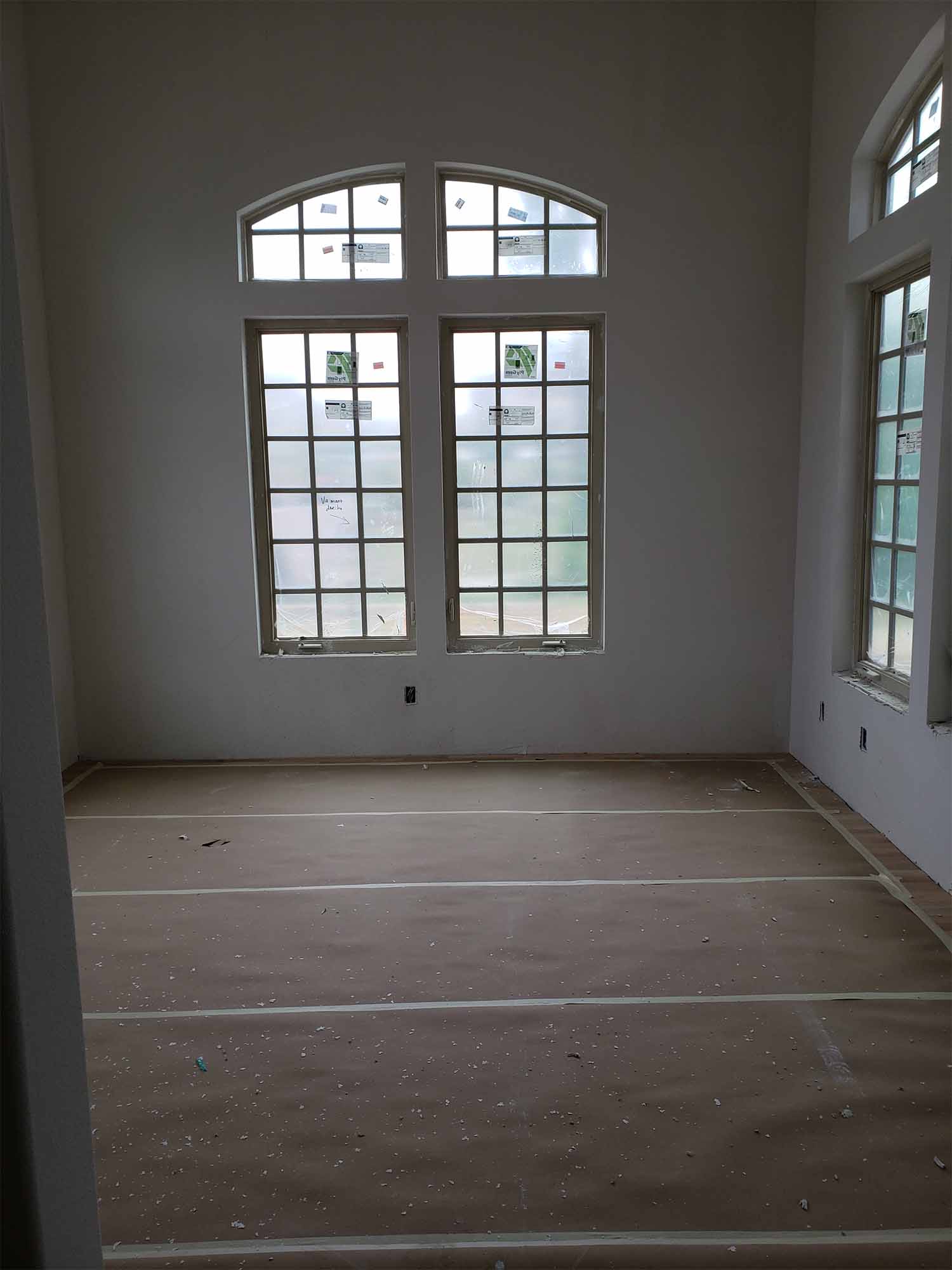
Prior to twilly and fig interior design
Every room has a natural rhythm. You can se it the moment you step inside. Some spaces feel airy and welcoming, while others think tight without being physically small. The difference often comes down to proportion.
Furniture that’s too bulky can weigh down a room, making it appear smaller than it is. On the other hand, tiny pieces scattered around can make the space feel cluttered or disjointed. Getting scale right means honoring the room’s architecture—ceiling height, window placement, door swing, natural light, and circulation paths.
Designers spend years training their eyes to read these cues. They understand how to balance height, depth, and visual mass so the room feels harmonious. In a compact living room, a sleek sofa with a narrower profile and raised legs evokes more openness than a traditional rolled-arm piece. In a large, open-concept family room, an undersized sofa can look lost and diminish the cozy, upscale atmosphere you’re trying to create.
Scale guides the livability of a space. When the proportions are correct, the room breathes.

Interior design and products by twilly and fig interior design
Why Furniture Size Impacts Function More Than You Think
A beautifully styled room means nothing if it isn’t comfortable to live in. Furniture size directly affects:
- How you move through the room
If circulation paths are blocked, even a lovely room feels frustrating. Designers calculate ideal clearances—space between the sofa and coffee table, walkway widths, and transitions between zones.
- How the room supports daily life
The right dining table should allow chairs to glide easily, even in smaller dining rooms. Your bedside tables should be reachable without contortion. A coffee table should serve its purpose without forcing you to lean excessively.
- The atmosphere you experience
Oversized pieces can diminish natural light or make a room feel heavy. Undersized pieces may diminish comfort and practicality.
When scale is thoughtfully considered, the room feels balanced and tailored to life’s rhythms. Every square inch works harder.
The Common Mistakes Homeowners Make With Furniture Size
Most missteps happen before the furniture even arrives. Here are the errors designers see again and again:
- Guessing Instead of Measuring
Online shopping has made it easier than ever to fall in love with furniture based on a photograph. But without measuring, it’s nearly impossible to understand its actual presence in your home. A sofa that looks petite on screen can feel enormous once delivered.
- Ignoring Pathways
Rooms aren’t static; they’re lived in. Leaving too little room to walk, open a drawer, or shift a chair turns a beautiful room into a daily obstacle course.
- Misjudging Vertical Scale
Ceiling height dramatically impacts furniture proportion. Tall armoires look stunning with high ceilings, but overwhelm rooms with lower profiles. Meanwhile, furniture that’s too low can make soaring ceilings feel barren.
- Choosing Pieces in Isolation
A single piece may be beautiful on its own, but might not complement the rest of the layout. Design is a conversation—every item must speak to the others.
- Overcrowding
It’s tempting to incorporate too much because homeowners want function. But when pieces compete, the room loses its breath and becomes visually heavy.
These mistakes aren’t just inconvenient—they’re costly. Returns for large furniture are expensive and often impossible. Many homeowners end up selling pieces at a loss or simply living with a layout that never feels quite right.
How a Designer Protects You From Costly Layout Regrets
Working with an interior designer transforms the furniture-buying process from guesswork into strategy. Hiring a professional isn’t about indulgence—it’s about protecting your investment.
- Designers See the Room as a Whole
Instead of focusing on one piece at a time, designers evaluate the entire space—architecture, function, sightlines, transitions, and how the room interacts with adjacent areas.
- They Create Thoughtful Floor Plans Before You Purchase
This alone saves thousands of dollars. With a precise layout, you’ll know exactly how each piece fits before you commit.
- They Understand True Scale
A designer knows how a 38-inch chair actually feels in a narrow living room, or how a 96-inch dining table behaves when guests pull out chairs. That instinct comes from hands-on experience, not guesswork.
- They Incorporate Creative Solutions You May Never Consider
Custom depth furniture…
Slimmer silhouettes…
Built-in cabinetry…
Banquette seating…
Hidden storage…
These tailored solutions allow small rooms to breathe and large rooms to feel anchored.
- They Curate With Balance and Beauty in Mind
Beyond function, designers shape the room’s entire atmosphere—color, proportion, texture, focal points, and harmony. They create rooms that feel upscale, cohesive, and personal.
Avoiding a few wrong purchases easily offsets the cost of hiring a designer. But more importantly, you gain a home that feels thoughtfully honed and deeply livable.
How To Choose The Right Furniture and How Scale Interacts With Style
Furniture size doesn’t exist in a vacuum—it interacts with the room’s aesthetic. For example:
- Modern organic spaces
Furnishings tend to have softer curves, natural materials, and lighter silhouettes. If you choose overly bulky items, the serene essence falls apart.
- Transitional or classic spaces
These often benefit from a mix of mediums—wood, upholstered pieces, refined metals—but require careful proportion to avoid heaviness.
- Minimalist interiors
Less furniture means each piece must earn its place. Scale becomes even more crucial.
- Eclectic designs
Mixing styles is beautiful when appropriately scaled. Without that balance, pieces compete rather than converse.
Scale anchors the atmosphere and allows the design intent to shine.
How To Choose The Right Furniture – Making Large Rooms Feel Refined and Not Empty
While small rooms often lead the conversation around scale, large rooms hold their own challenges. High ceilings, expansive footprints, and open floor plans can feel empty without proper grounding.
Designers use scale here, too:
- Pairing larger furnishings to anchor the room
- Layering rugs to define zones
- Incorporating lighting that descends into the space
- Using statement pieces to evoke intimacy within openness
Even in grand rooms, getting scale right brings warmth and cohesion.
How To Choose The Right Furniture – The Right Furniture Size Enhances Traffic Flow

A refined layout respects the way you move. Designers think about:
- Entry points
What you see—and how you navigate—when you first walk into the room sets the tone.
- Clearance zones
These ensure comfort, accessibility, and ease in daily life.
- Purposeful negative space
Space between furnishings isn’t empty; it creates balance.
This choreography of movement shapes the room’s livability.
Furniture Height: The Often-Forgotten Component of Scale
Height plays a significant role in visual harmony:
- A tall headboard can bring grandeur to a bedroom but overwhelm a room with low ceilings.
- A coffee table that’s too tall disrupts the relaxing posture of a sofa.
- Dining chairs must complement the table height to create comfort and coherence.
A designer considers these minute details—ones that impact both comfort and beauty.
When Custom Furniture Becomes the Best Option
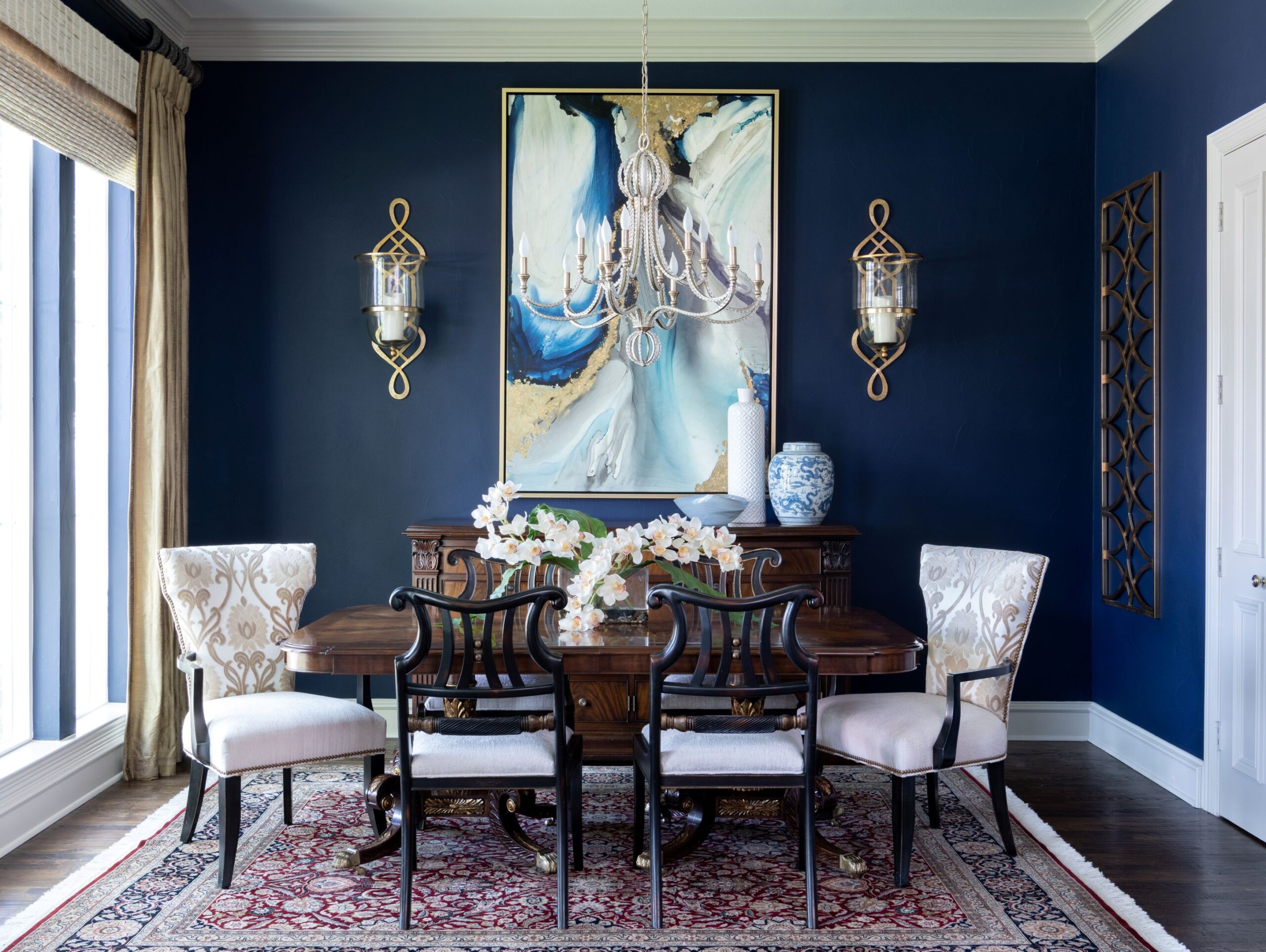
Some rooms don’t comply with standard sizes—narrow townhomes, angled walls, historic homes, and thoughtfully renovated spaces often need pieces that respond directly to their layout.
Custom furniture can:
- Maximize unusual niches
- Enhance awkward corners
- Improve circulation
- Bring symmetry to irregular dimensions
- Create a tailored, upscale look
This is where a designer’s network becomes invaluable. They know artisans, builders, and manufacturers who create pieces that elevate both form and function.
Looking Around Your Own Home
Stand in your living room or dining area. Ask yourself:
- Does any piece feel oversized for its surroundings?
- Does something feel visually small or insignificant?
- Are you dodging furniture to move through the room?
- Does the scale support relaxation, conversation, and function?
- Does the atmosphere feel balanced, colorful, and curated—or a little chaotic?
Seeing your home through a designer’s lens opens the door to clarity.
How to Choose The Right Furniture – The Emotional Impact of Rooms That Fit You
The correct scale evokes ease. It invites you in. It supports gatherings, quiet mornings, celebrations, and the daily rituals that make a house feel like home.
When your furniture fits your space:
- The room feels more luxurious
- Conversations flow effortlessly
- Lighting feels intentional
- Artwork is properly proportioned
- Storage no longer overwhelms the footprint
- The entire design feels elevated
This harmony—this tailored sense of place—is what makes a home feel beautifully honed, functional, and deeply personal.
Reflecting on the Power of Scale
Understanding furniture size reshapes the way you approach every room. You start noticing the relationship between pieces, how spacing affects calm, and how scale influences atmosphere. And in that understanding, you begin to appreciate why designers approach each space like a composition—balancing proportion, rhythm, texture, and color until everything feels just right.
Learning how to choose the right furniture can be a wise investment. Doing it without guidance can lead to costly mistakes, but doing it with intention—and often with a designer—yields a room that feels curated, soulful, livable, and tailored to your life.
Suppose you’re ready to elevate your home with thoughtful planning. In that case, we’re here to help you shape every detail with clarity and creativity.